KOR’K: observation in your hands
Observation in your hands.
Film a few seconds of everyday life. KOR’K links them to developmental milestones, then presents them to you every month.
 An aid to observation, never a diagnosis.
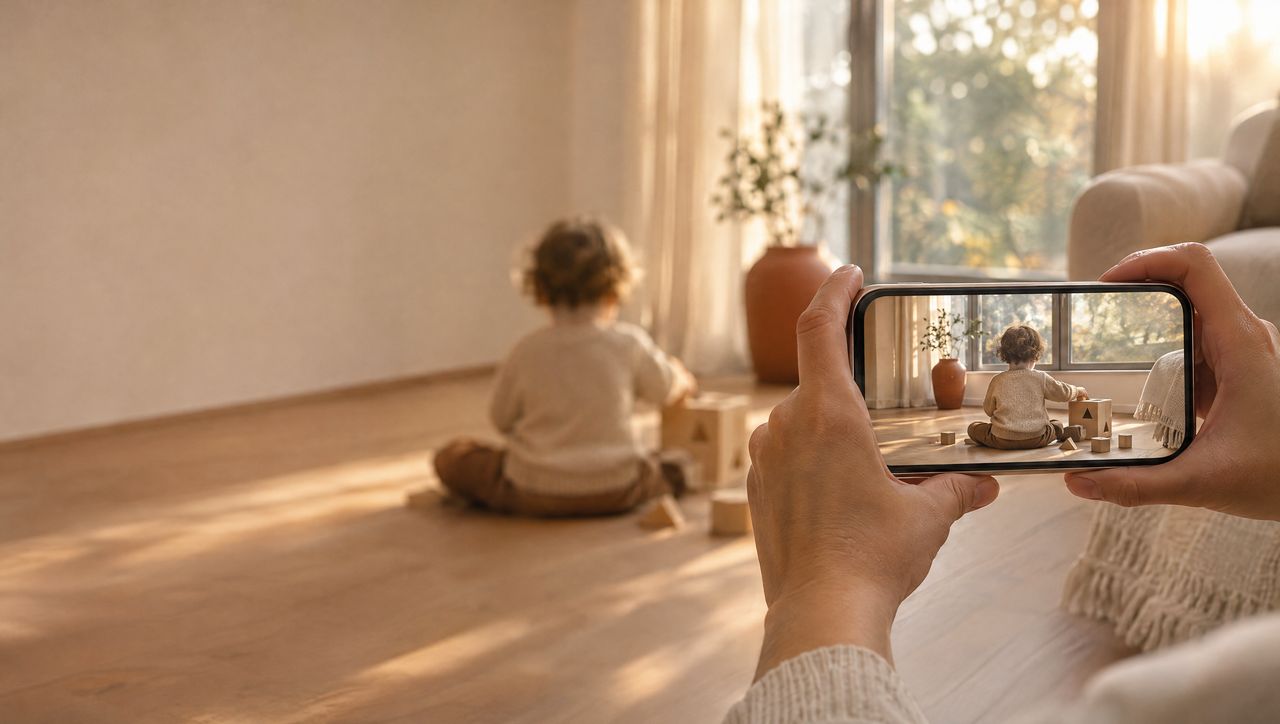
AI-generated image (Higgsfield, GPT Image 2.6). This is not a photograph of a user.
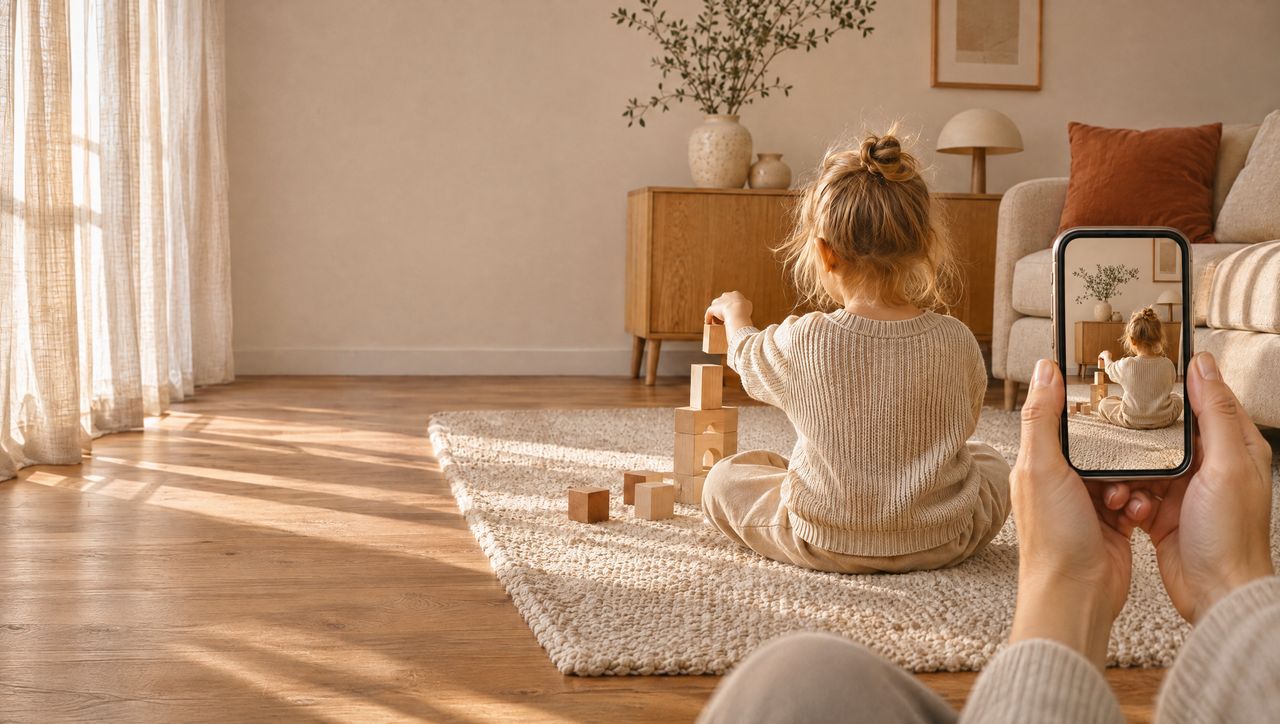
AI-generated image (Higgsfield, GPT Image 2.6). This is not a photograph of a user.
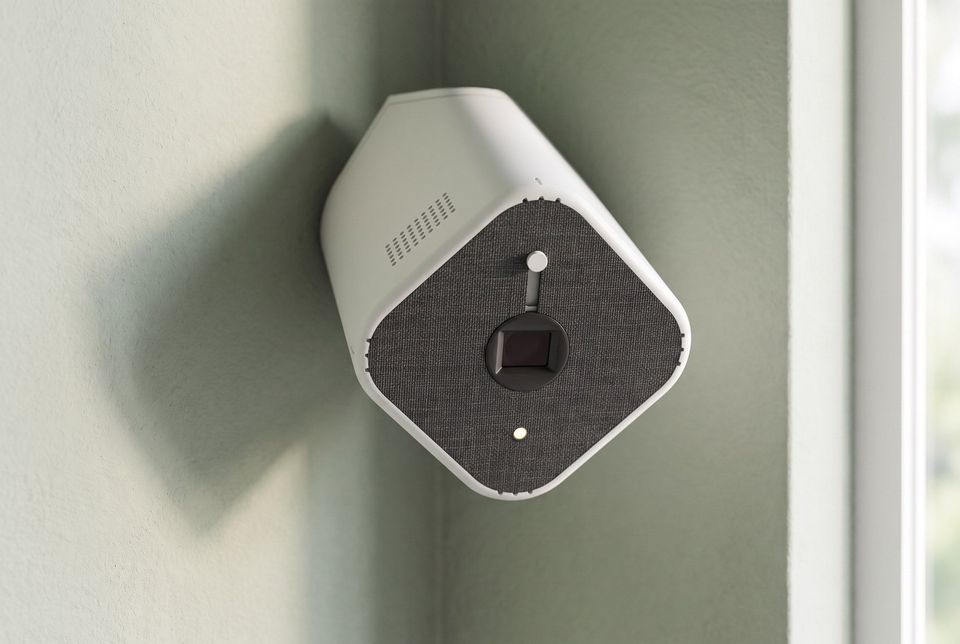
AI-generated image (Artlist, Nano Banana Pro) from the exact 3D render of the V1 prototype. This is not a photograph of the prototype.
What you see every day, sorted and dated, area by area.
KOR’K helps you move from an impression to dated, concrete observations that you can share with your doctor.
An aid to observation, never a diagnosis.
The site
01 · App

The app that sorts what you see.
You film a moment. KOR’K links it to a milestone. Every month, a report in five areas: language, social interactions, emotions, motor skills, routines.
Free to start.
Pro: €9.99 per month, cancel anytime.
iPhone · Android to follow
How it works
- 01 · You filmA few seconds of play, a meal, a bedtime story.
- 02 · KOR’K linksThe AI matches the moment with milestones from the CDC (2022) and the WHO.
- 03 · You understandEvery month, the moment joins its area in the report.

a few seconds are enough
Hello,
Léa

Léa’s portrait
9 milestones observed so far. Their portrait grows with every moment you film.
See the portrait again
See the progress album ›
This month
2 more videos recommended for your November report
See details
Capture a moment
Weeks of moments
October report
For Léa 3 years old
ReportAlbum
In October, Léa talks about what she sees and plays with others.
These cues show what we could observe in your videos this month. They don’t tell Léa’s whole story.
Language
Observed: ~ 3 years and up
2 emerging
Social interactions
Observed: ~ 3 years and up
Emotions
Observed: ~ 2 years 6 months and up
Motor skills
Observed: ~ 3 years and up
1 emerging
Routines
Film Léa talking or playing to reveal more skills.
A month well lived
12
moments captured
Each one tells a story.
Three screens of the app, rebuilt for this site: home, the monthly report and one slide of the recap. Names and content are fictional.
02 · Milestones
142
developmental milestones, from 6 months to 7 years, to which KOR’K links each moment. Up to age 5, most milestones are things at least 75% of children of a given age can do (CDC, 2022 revision). Every child develops at their own pace.
Where do they come from? From the CDC milestone checklists, which run from 2 months to 5 years, and from the WHO. See the CDC checklists
KOR’K is for parents of children aged 2 to 7. This is a choice made by KOR’K: developmental milestones exist from birth, and the KOR’K reference set in fact starts at 6 months.
Figure 1 · Milestones, age by age
One mark = one milestone in the reference set. Choose an age to see examples.
At 6 months, 12 milestones in the reference set. For example:
- Language
- Takes turns making sounds with you
- Social interactions
- Knows familiar people
- Emotions
- Laughs
- Motor skills
- Rolls from tummy to back
- Routines
- Puts things in their mouth to explore them
At 9 months, 11 milestones in the reference set. For example:
- Language
- Makes a lot of different sounds like “mamamama” and “bababababa”
- Social interactions
- Smiles or laughs when you play peek-a-boo
- Emotions
- Reacts when you leave (looks, reaches for you, or cries)
- Motor skills
- Gets to a sitting position by themselves
- Routines
- Uses fingers to “rake” food towards themselves
At 12 months, 9 milestones in the reference set. For example:
- Language
- Waves “bye-bye”
- Social interactions
- Plays games with you, like pat-a-cake
- Emotions
- Looks to you for comfort
- Motor skills
- Pulls up to stand
- Routines
- Drinks from a cup without a lid, as you hold it
At 15 months, 11 milestones in the reference set. For example:
- Language
- Points to ask for something or to get help
- Social interactions
- Copies other children while playing, like taking toys out of a container when another child does
- Emotions
- Shows you affection (hugs, cuddles, or kisses you)
- Motor skills
- Takes a few steps on their own
- Routines
- Uses fingers to feed themselves some food
At 18 months, 12 milestones in the reference set. For example:
- Language
- Follows one-step directions without any gestures, like giving you the toy when you say, “Give it to me.”
- Social interactions
- Points to show you something interesting
- Emotions
- Looks at a few pages in a book with you
- Motor skills
- Walks without holding on to anyone or anything
- Routines
- Drinks from a cup without a lid and may spill sometimes
At 2 years, 11 milestones in the reference set. For example:
- Language
- Says at least two words together, like “More milk.”
- Social interactions
- Notices when others are hurt or upset, like pausing or looking sad when someone is crying
- Emotions
- Looks at your face to see how to react in a new situation
- Motor skills
- Kicks a ball
- Routines
- Eats with a spoon
At 30 months, 11 milestones in the reference set. For example:
- Language
- Says about 50 words
- Social interactions
- Plays next to other children and sometimes plays with them
- Emotions
- Follows simple routines when told, like helping to pick up toys when you say, “It’s clean-up time.”
- Motor skills
- Jumps off the ground with both feet
- Routines
- Takes some clothes off by themselves, like loose pants or an open jacket
At 3 years, 11 milestones in the reference set. For example:
- Language
- Talks with you in conversation using at least two back-and-forth exchanges
- Social interactions
- Notices other children and joins them to play
- Emotions
- Calms down within 10 minutes after you leave them, like at a childcare drop off
- Motor skills
- Strings items together, like large beads or macaroni
- Routines
- Puts on some clothes by themselves, like loose pants or a jacket
At 4 years, 13 milestones in the reference set. For example:
- Language
- Talks about at least one thing that happened during their day, like “I played soccer.”
- Social interactions
- Asks to go play with children if none are around, like “Can I play with Alex?”
- Emotions
- Comforts others who are hurt or sad, like hugging a crying friend
- Motor skills
- Catches a large ball most of the time
- Routines
- Serves themselves food or pours water, with adult supervision
At 5 years, 11 milestones in the reference set. For example:
- Language
- Keeps a conversation going with more than three back-and-forth exchanges
- Social interactions
- Follows rules or takes turns when playing games with other children
- Emotions
- Does simple chores at home, like matching socks or clearing the table after eating
- Motor skills
- Hops on one foot
- Routines
- Gets dressed with little help
At 6 years, 16 milestones in the reference set. For example:
- Language
- Understands and uses complex sentences
- Social interactions
- Has friends, cooperates and shares
- Emotions
- Names more nuanced emotions
- Motor skills
- Ties their shoelaces
- Routines
- Dresses and undresses by themselves
At 7 years, 14 milestones in the reference set. For example:
- Language
- Writes sentences
- Social interactions
- Understands other people’s point of view (empathy)
- Emotions
- Manages emotions better, expresses complex feelings
- Motor skills
- Handwriting is more fluent and legible
- Routines
- Independent in daily routines
Source: KOR’K reference set v1 (June 2026), based on CDC “Learn the Signs. Act Early.” (2022) and WHO (2006).
See the data
| Age | Language | Social interactions | Emotions | Motor skills | Routines | Total |
|---|---|---|---|---|---|---|
| 6 months | 3 | 2 | 2 | 3 | 2 | 12 |
| 9 months | 2 | 2 | 3 | 3 | 1 | 11 |
| 12 months | 3 | 1 | 1 | 3 | 1 | 9 |
| 15 months | 3 | 2 | 2 | 2 | 2 | 11 |
| 18 months | 2 | 2 | 2 | 3 | 3 | 12 |
| 2 years | 4 | 2 | 1 | 3 | 1 | 11 |
| 30 months | 4 | 2 | 1 | 3 | 1 | 11 |
| 3 years | 5 | 1 | 1 | 2 | 2 | 11 |
| 4 years | 4 | 3 | 2 | 2 | 2 | 13 |
| 5 years | 4 | 2 | 1 | 2 | 2 | 11 |
| 6 years | 4 | 3 | 3 | 4 | 2 | 16 |
| 7 years | 4 | 3 | 2 | 3 | 2 | 14 |
| Total | 42 | 25 | 21 | 33 | 21 | 142 |
See the method
The reference set gathers milestones published by the CDC and the WHO, sorted by age and by area. Up to age 5, they come mostly from the CDC lists revised in 2022; at 6 and 7 years, from more general childhood milestones.
For each video, the AI notes which milestones are visible in the filmed moment, and what it sees.
Each month, the report places each area in relation to the ages of the milestones observed, for example “Observed: ~ 3 years and up”. It is an indication: it depends on the moments you filmed, and does not tell the whole story of your child.
03 · Your videos
What exactly happens to your videos.
- Encrypted
- in transit.
- EU
- hosted in Frankfurt (Supabase).
- Gemini
- analysed by the Google Gemini API, paid tier: they do not train the AI.
- 30 days
- at most, then deleted automatically. Or at any time, in the app.
- Never
- sold.
Diagram 1 · The journey of a video
From your iPhone to the monthly report, in five steps.
- iPhone
- Encrypted upload
- Frankfurt, EU
- Gemini API
- Report
- The child’s first name is never sent to Google.
- The copy sent to Gemini is deleted after the analysis.
- The stored video is deleted after 30 days at most.
« For the analysis, the videos are sent to Google (Gemini API). This processing may take place outside the European Union. »
Source: KOR’K privacy policy. Read the full policy
See the data
| Step | Where | What happens |
|---|---|---|
| 1 | iPhone | You film a moment. |
| 2 | Upload | The video is encrypted in transit. |
| 3 | Frankfurt, EU | It is hosted by Supabase. |
| 4 | Google Gemini API | It is analysed, on the paid tier: it does not train the AI. For the analysis, the videos are sent to Google (Gemini API). This processing may take place outside the European Union. The child’s first name is never sent to Google. The copy sent is deleted after the analysis. |
| 5 | App | The moment joins the monthly report. The stored video is deleted after 30 days at most, or at any time, in the app. |
04 · Tomorrow
Capturing everyday life, without taking out your phone.
KOR’K Sensor is a prototype: a 12.4 cm diamond-shaped device that sits in the corner of a room. It is not a product for sale. AI inside the device remains a goal.
Diagram 2 · How the prototype works
- 1 · The device filmsShort clips, from the corner of the room.
- 2 · The iPhone collectsThe clip goes through the parent’s iPhone.
- 3 · Analysis in the cloudJust like a video filmed on a phone. Today, not inside the device.
- 4 · The reportThe moment joins its area.
V1 prototype · EELISA Prototype Contest, JOSEPHS, Nuremberg, 8 to 11 December 2026
Discover the prototype →Prototype area, access code required →
05 · The origin
When my little brother was 4, we saw every day, at home, what no one else saw. KOR’K is the tool I wish I’d had: not to monitor, but to be able to say “look, this is what we see”.
KOR’K Scan, on iPhone.
Free to start · Pro €9.99/month
Android to follow.